TOP > ISSUE > Inside Harpo Jewelry Brand Owner Interview
CATEGORIES
TOP > ISSUE > Inside Harpo Jewelry Brand Owner Interview
Posted on : Jun 18 , 2026
ジュエリーブランド「HARPO」。
今回のインタビューでは、創業者の娘であり、現オーナーの Dorothée Zuliani(ドロテ・ズリアーニ)との対話を通して、創作の原点とものづくりに込めた想いをひもといていく。
Jewelry brand HARPO.
In this interview, we explore the origins of creation and the philosophy behind the craftsmanship through a conversation with Dorothée Zuliani, daughter of the founder and current owner of HARPO.
1971年、私の父ジェラール・ナドーは25歳でした。仕事も肩書きもなかった父は、自らの会社を立ち上げ、「HARPO」と名付けます。その名前は、1920年代に活躍したマルクス兄弟のハーポ・マルクスに由来しています。
すべてはパリの小さなガレージから始まりました。当初は洋服のデザインを手がけていましたが、アメリカへの旅の途中でネイティブアメリカンジュエリーと出会い、その魅力に強く惹かれます。
In 1971, my father, Gérard Nadeau, was 25 years old. With neither a job nor a title to his name, he decided to start his own company and called it “HARPO,” inspired by Harpo Marx of the famous Marx Brothers.
Everything began in a small garage in Paris. At first, he worked as a clothing designer, but during a trip to the United States, he discovered Native American jewelry and was immediately captivated by its beauty and craftsmanship.
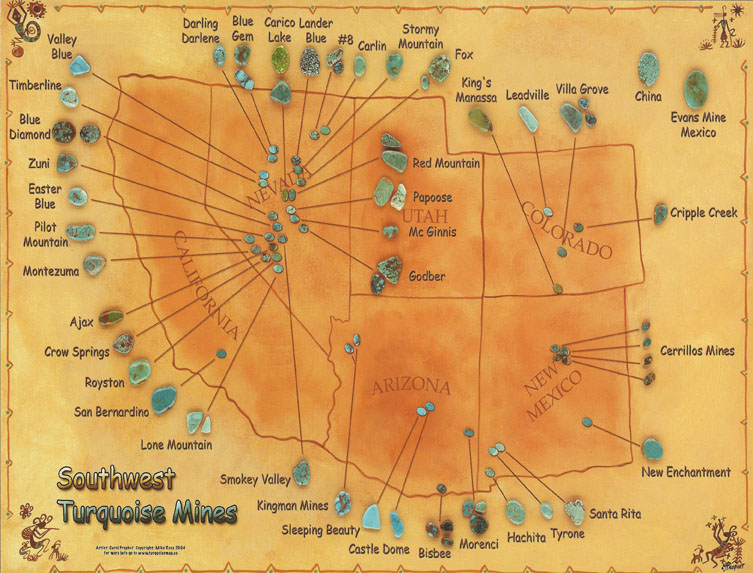
As his travels continued, he visited the Navajo Nation and fell in love with the vast landscapes of the American West and the spirit of freedom that defined them. He was also introduced to the rich tradition of turquoise among the Pueblo and Navajo peoples. Revered as a symbol of spirituality, protection, and prosperity, turquoise held a profound cultural significance that deeply resonated with him.
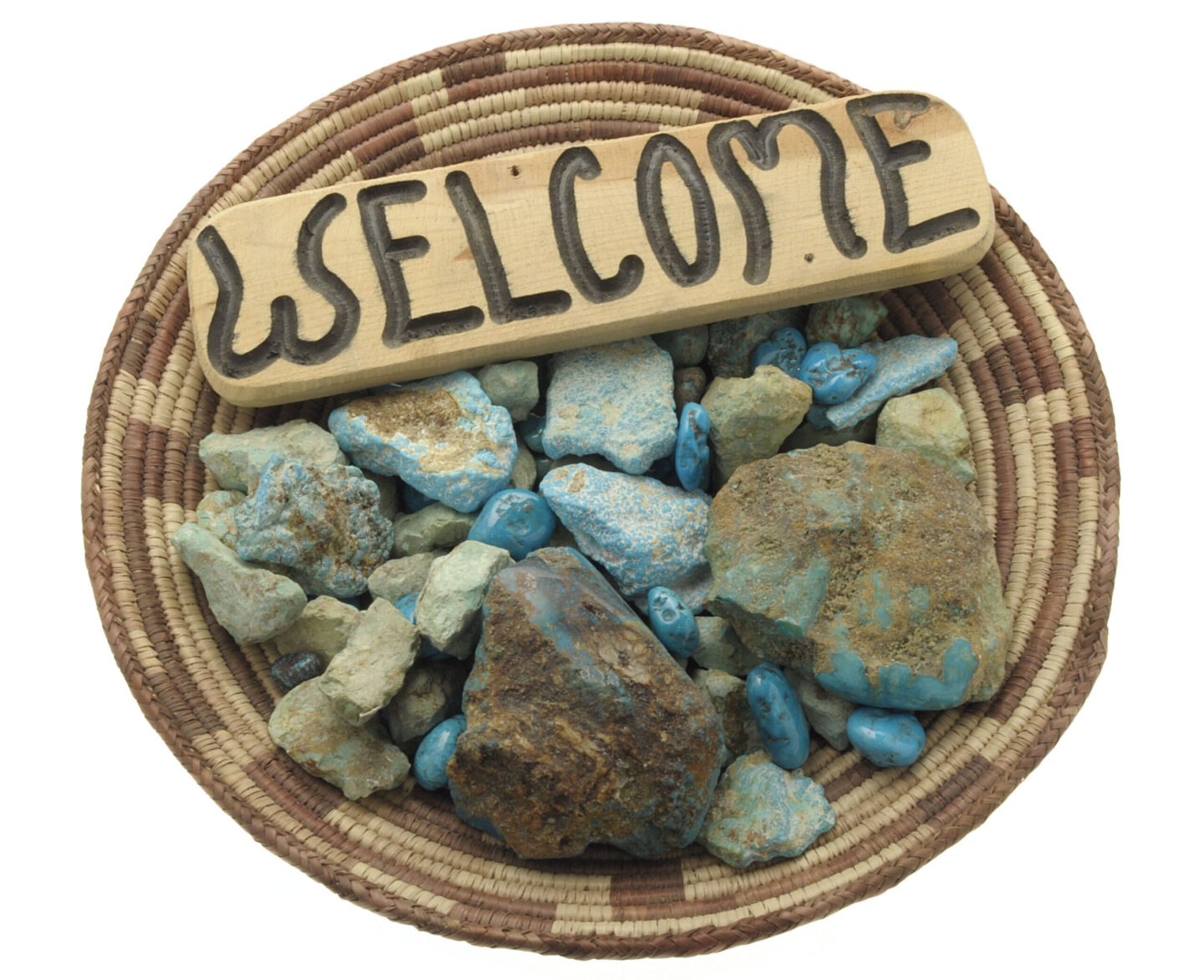
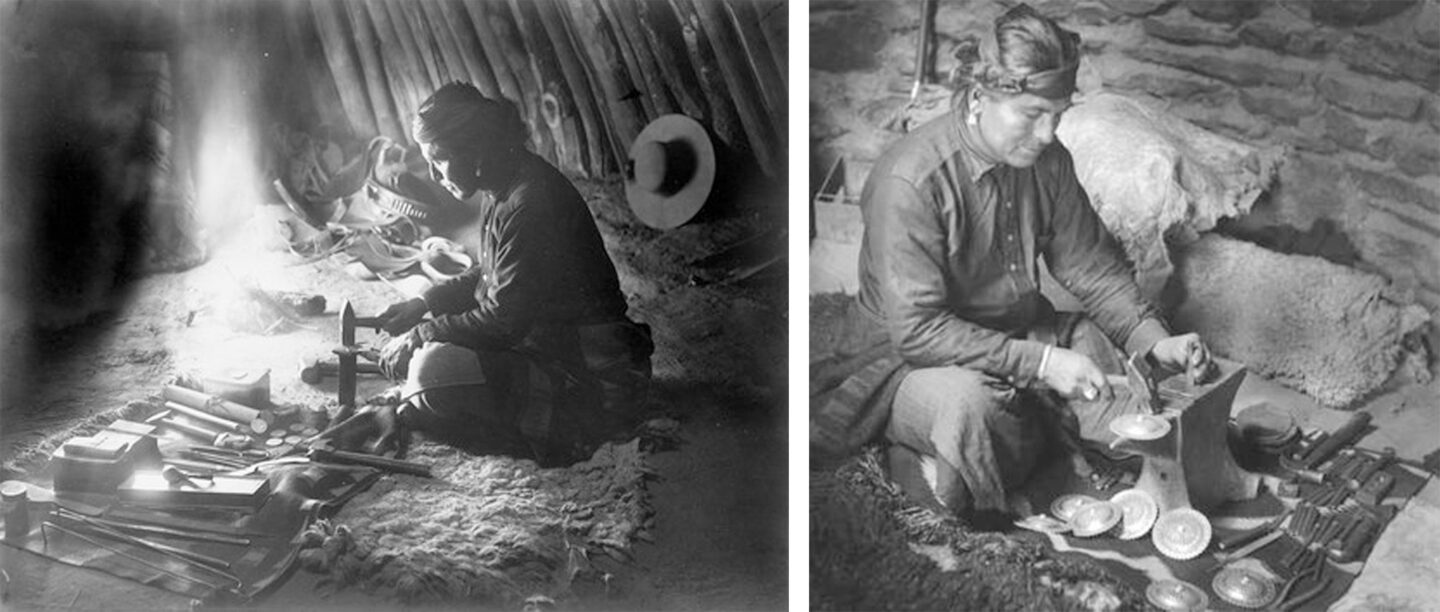
やがて父はナバホランドを訪れ、広大なアメリカ西部の大地と、そこに息づく自由な精神に魅了されました。そしてプエブロやナバホの人々が大切にしてきたターコイズの文化に触れます。ターコイズは精神性や豊かさの象徴であり、彼らにとって特別な意味を持つ石でした。
旅から戻るたびに、ナバホ族、ホピ族、ズニ族、プエブロ族のジュエリーを持ち帰り、自身のファッションショーで紹介するようになります。その反響は大きく、ちょうどフランスで広がり始めていたヒッピームーブメントとも重なり、多くの人々を魅了しました。
As his travels continued, my father visited the Navajo Nation and became captivated by the vast landscapes of the American West and the spirit of freedom that seemed to define them. He was also introduced to the rich turquoise traditions of the Pueblo and Navajo peoples. For them, turquoise is far more than a decorative stone—it symbolizes spirituality, prosperity, and protection, and holds a special place within their culture.
Each time he returned from the United States, he brought back jewelry created by Navajo, Hopi, Zuni, and Pueblo artisans, which he began presenting in his fashion shows. The response was extraordinary. As the hippie movement was beginning to gain momentum in France, the authenticity, craftsmanship, and symbolism of Native American jewelry resonated deeply with a growing audience and captured the imagination of many.
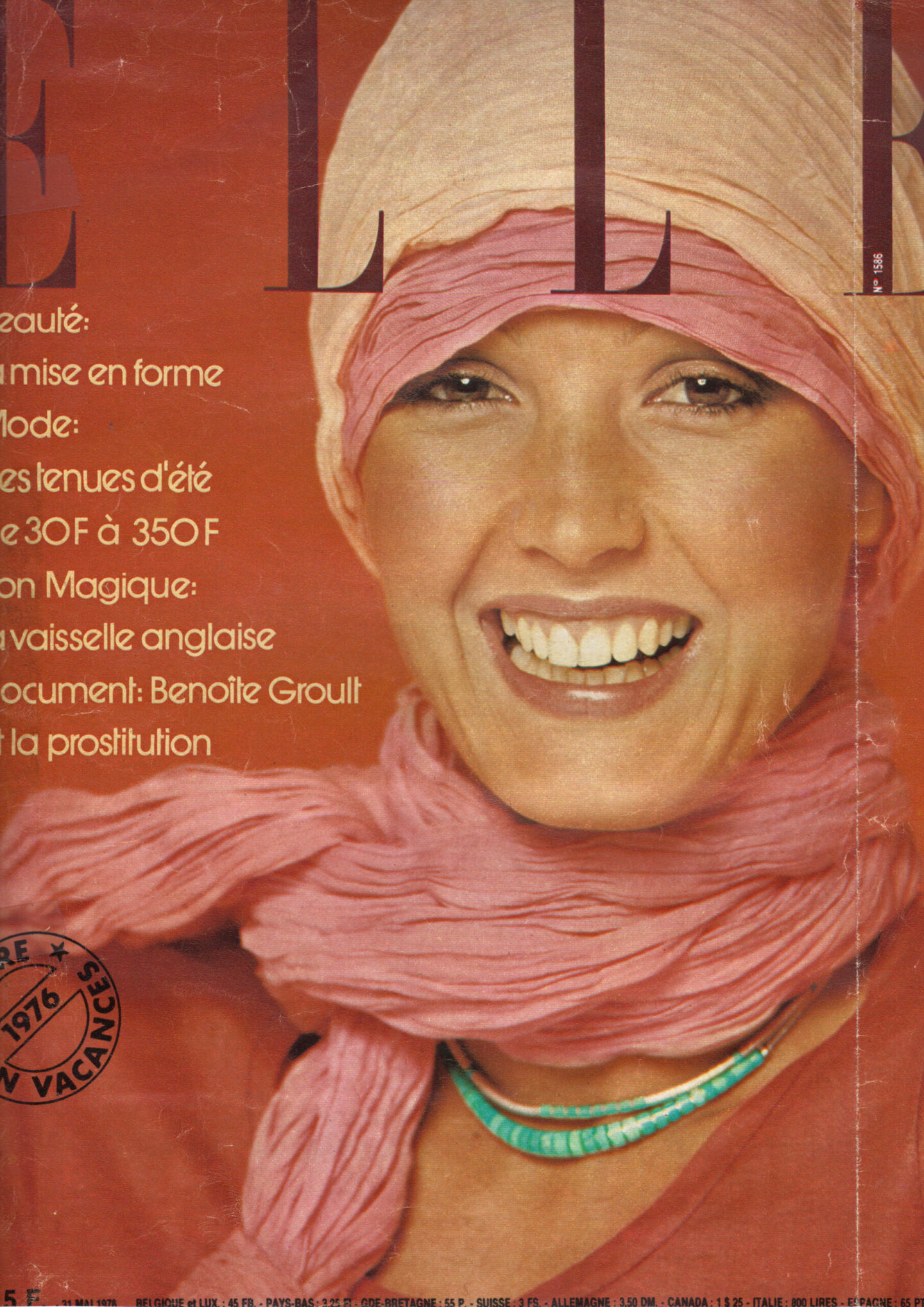
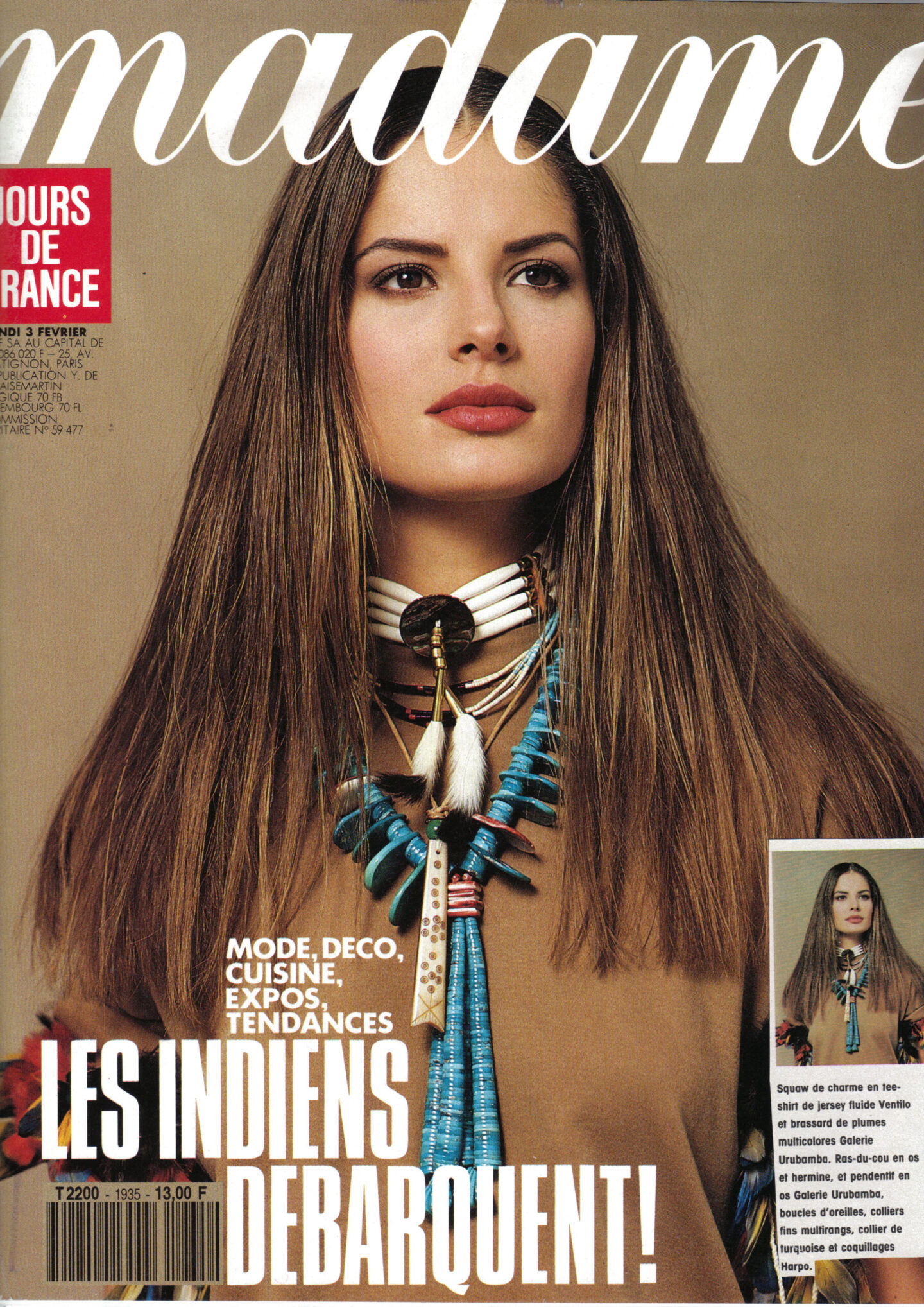
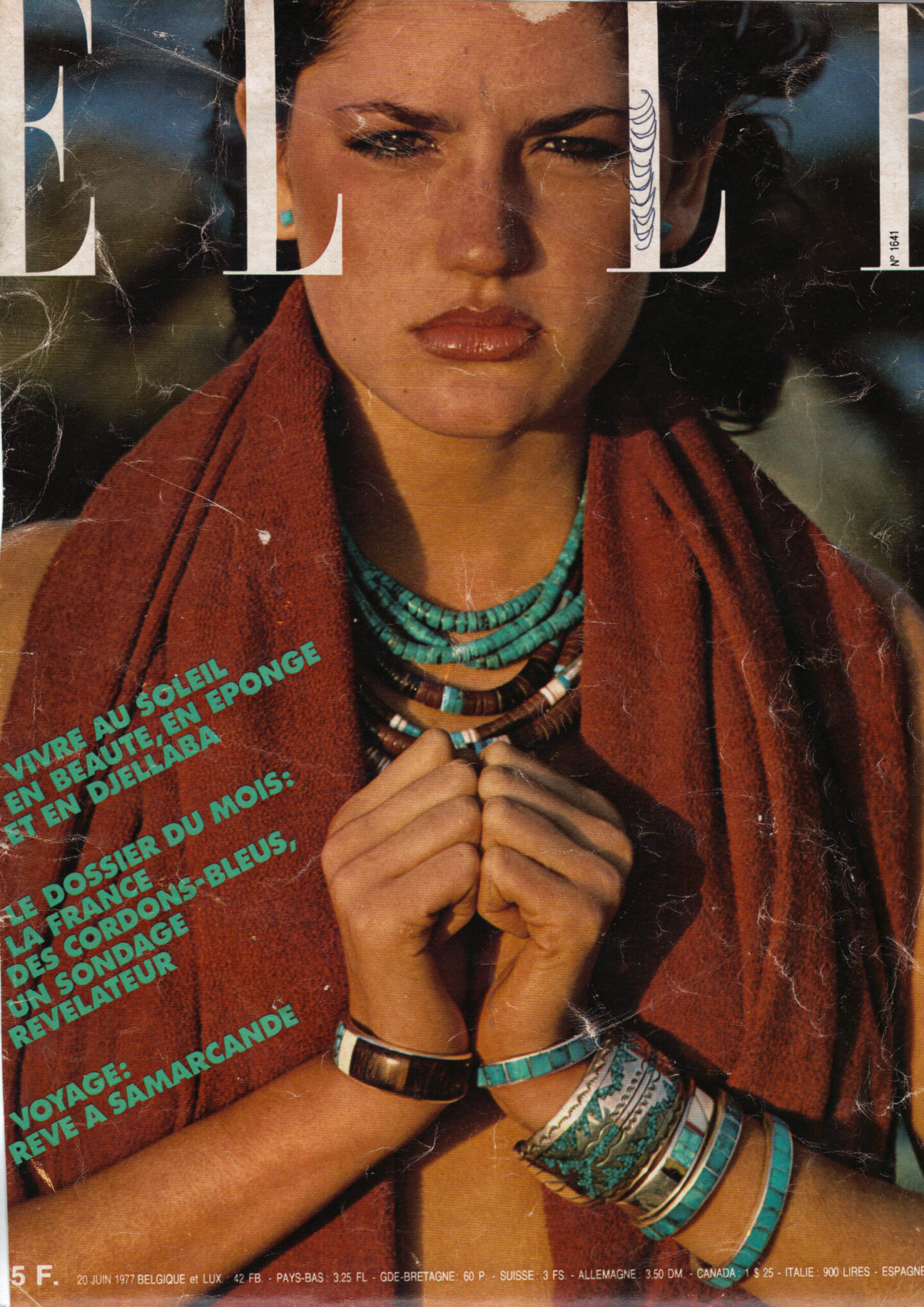
そこで父はパリ・マレ地区に最初のHARPOブティックをオープンします。口コミや雑誌を通じて評判は広がり、やがてJohnny HallydayやRenaud、Eddy Mitchellといった著名人も訪れるようになりました。
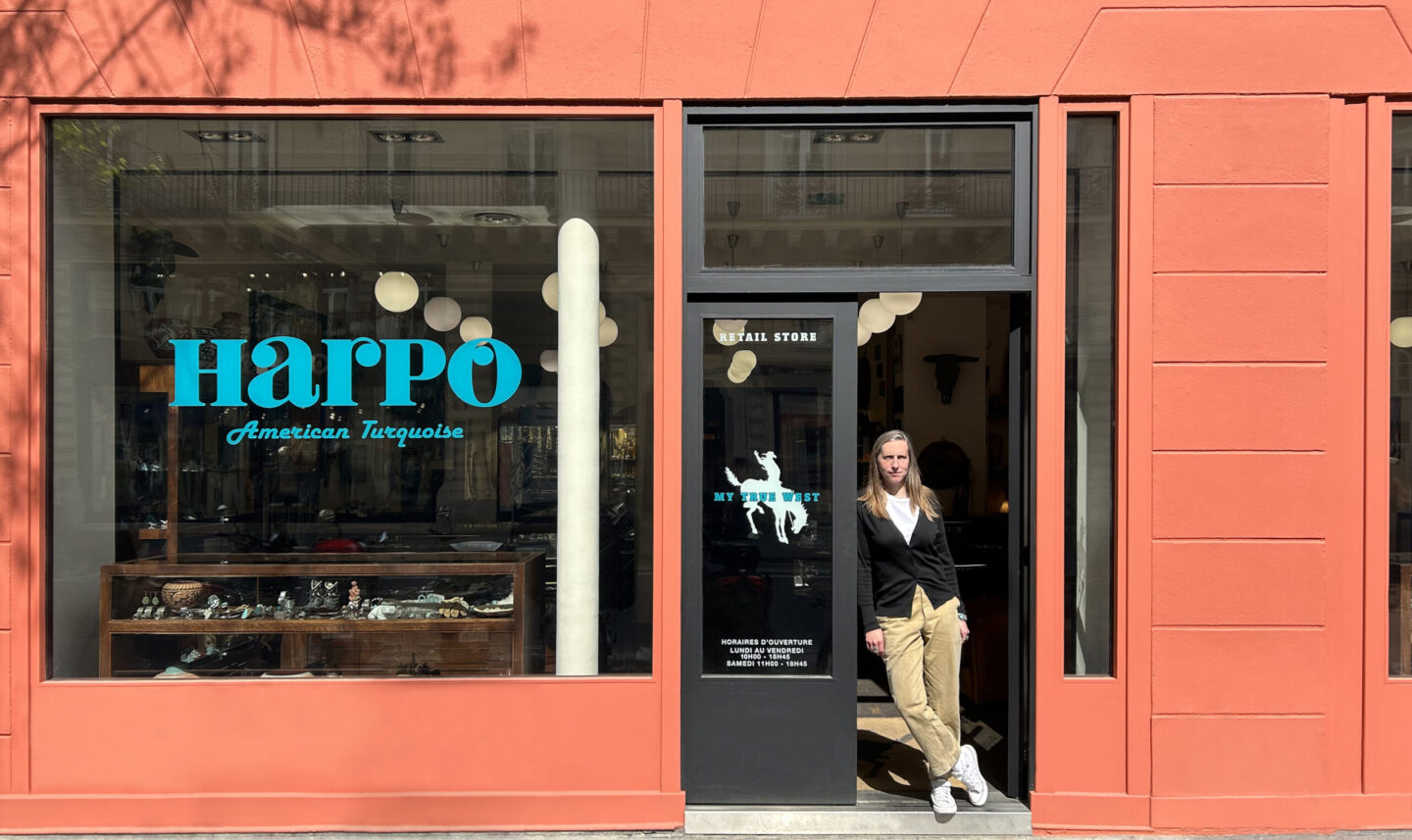
1997年には現在のトゥルビゴ通りへ移転。より多くの作品を紹介できる空間を得たHARPOは、ネイティブアメリカンジュエリーとアートを愛する人々にとって特別な場所となっていきました。
As interest in Native American jewelry continued to grow, my father opened the first HARPO boutique in Paris’s Marais district. Word spread through magazine features and personal recommendations, and before long, renowned figures such as Johnny Hallyday, Renaud, and Eddy Mitchell were among its visitors.
In 1997, HARPO moved to its current location on Rue de Turbigo. With more space to showcase an ever-growing collection, the boutique gradually became a special destination for those who share a passion for Native American jewelry and art.
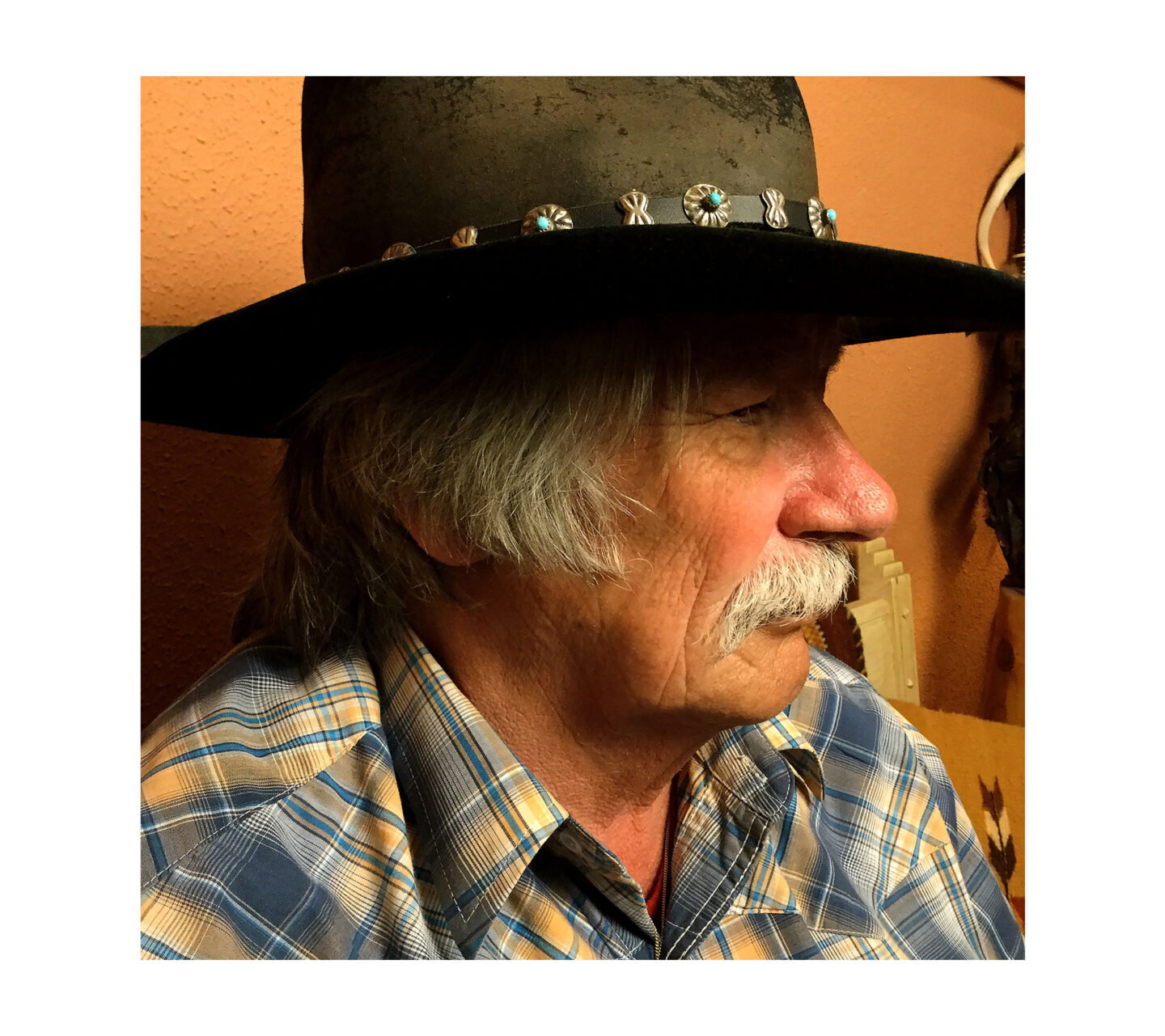
一時的な流行だと思われていたネイティブアメリカンジュエリーですが、その予想は外れました。
50年以上が経った今も、世界中から多くの人々がHARPOを訪れます。彼らが求めているのは、単なるジュエリーではなく、歴史や物語を宿した「運命の一点」です。
ヒッピーからエレガントな女性、ハーレーダビッドソンを愛するライダーまで、お客様は実にさまざまです。しかし皆に共通しているのは、ネイティブアメリカンの卓越した職人技への敬意と、神秘的な力を持つと信じられてきたターコイズへの深い愛情です。
時代や流行を超えて受け継がれてきたその魅力こそが、HARPOを今日まで特別な存在にし続けているのです。
Many people once believed that Native American jewelry was simply a passing trend. Time has proven otherwise.
More than fifty years later, HARPO continues to welcome visitors from around the world. What they seek is not merely jewelry, but that one special piece—a piece that carries history, craftsmanship, and a story of its own.
From free spirits and elegant women to Harley-Davidson riders, HARPO’s clientele is remarkably diverse. Yet they all share a deep appreciation for the exceptional artistry of Native American craftsmen and a lasting fascination with turquoise, a stone long revered for its beauty and spiritual significance.
It is this timeless appeal—passed down through generations and untouched by changing fashions—that continues to make HARPO a truly unique place today.
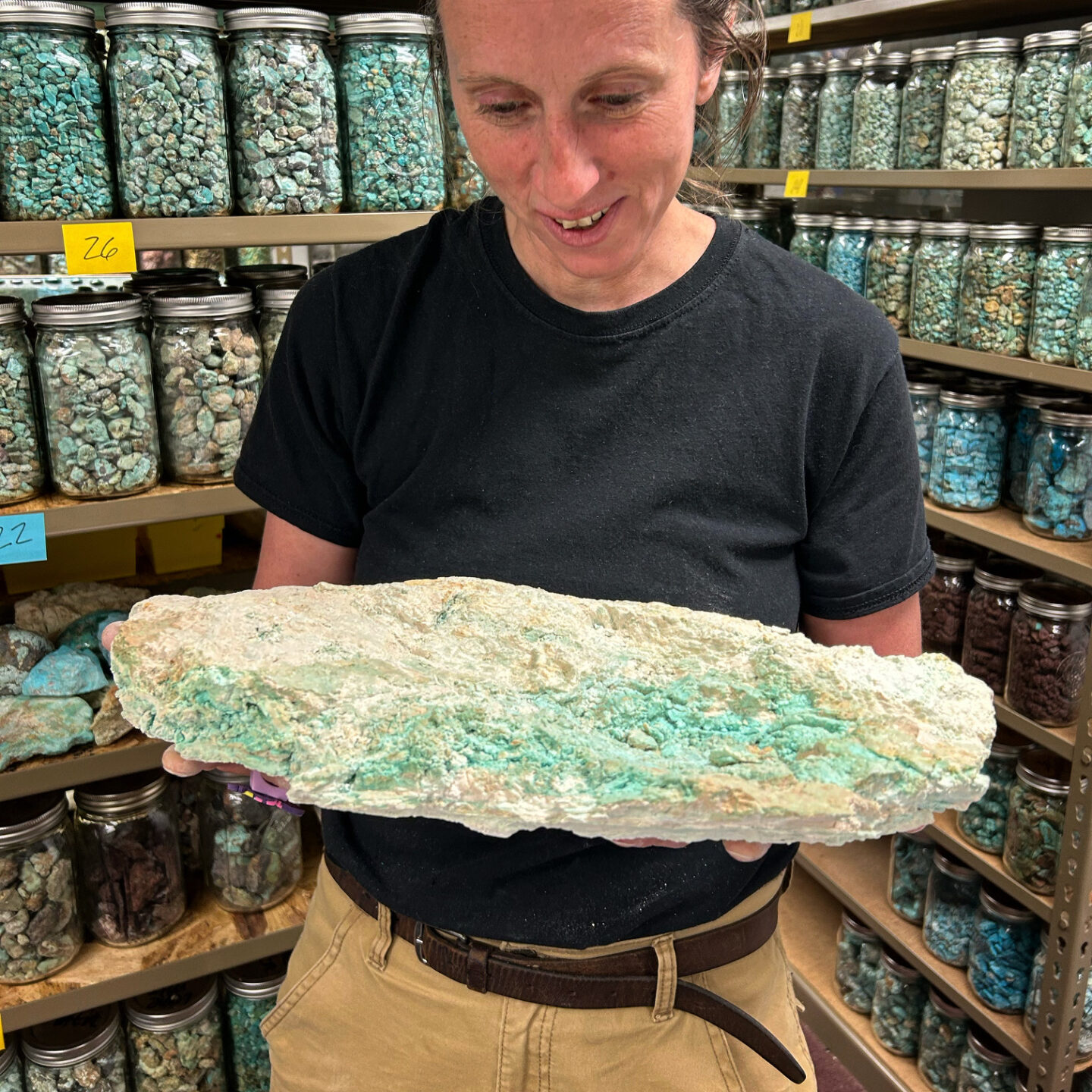
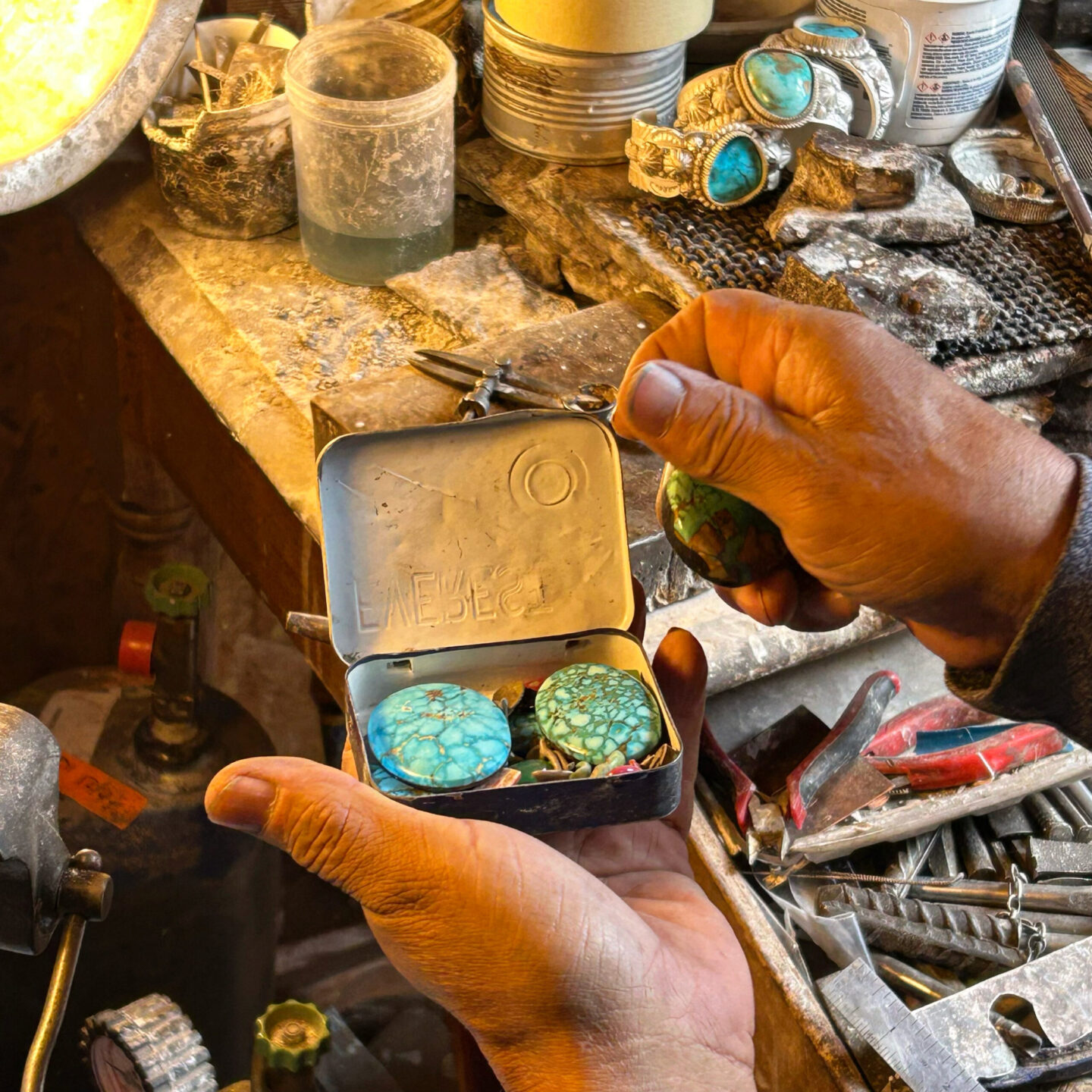
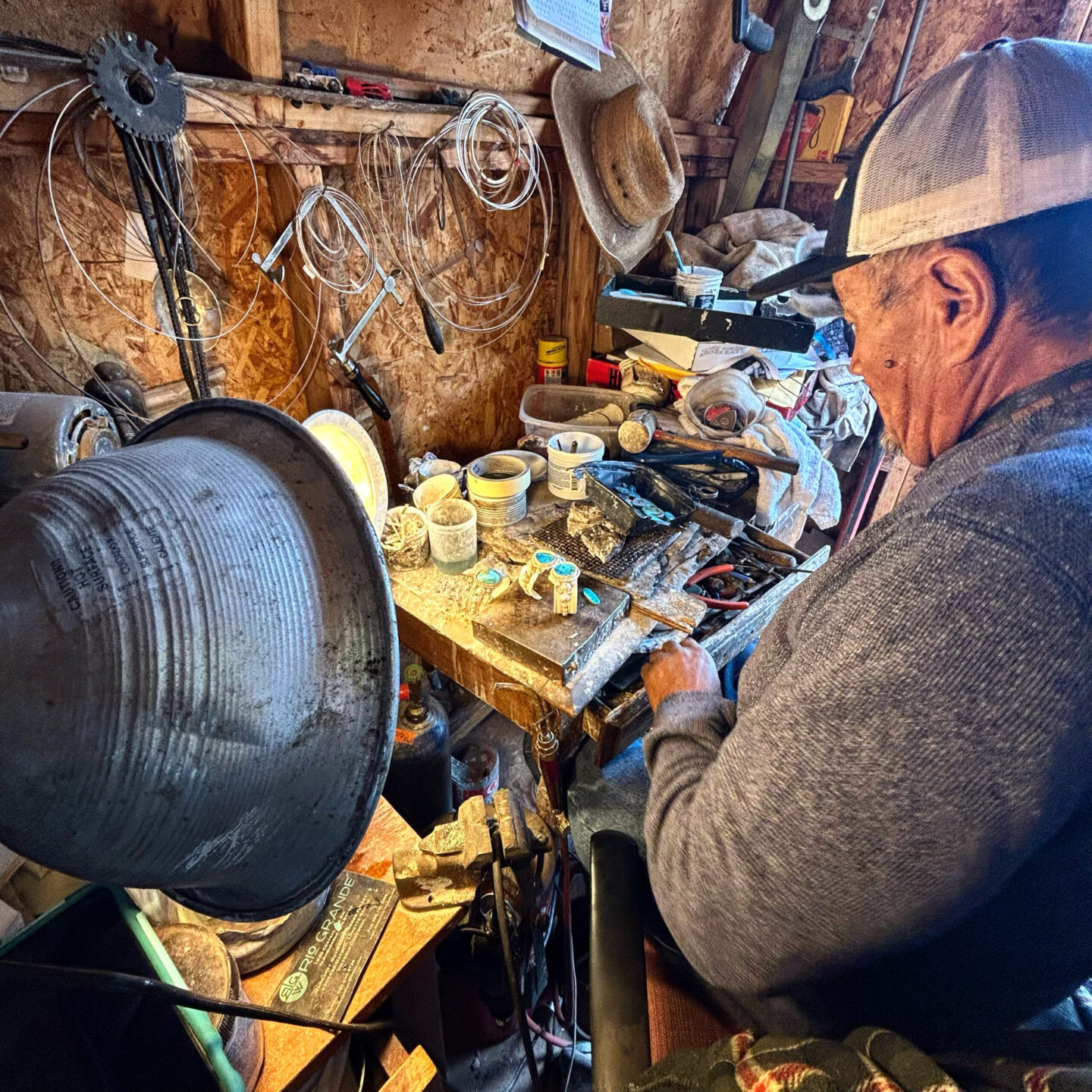
何十年もの間、私たちは信頼と敬意を大切にしながら、アメリカ西部の広大な土地を巡り、さまざまなプエブロやトレーディングポストを訪ね歩いてきました。そこで出会うのは、代々ネイティブアメリカンジュエリーを手がけてきたアーティストや職人たちです。
年に4〜5回現地を訪ねる中で、私たちは彼らと深い友情と信頼関係を築いてきました。その伝統や制作スタイルを尊重しながら、自分たちの感性やお客様の想いを形にした作品づくりを続けています。
私たちの最大の強みは、「長年築いてきた信頼関係」にあります。
父はかつて職人たちの親世代や祖父母世代と仕事をし、私はその長老たちから知恵や人生哲学を学びました。現在では、その子どもたちや孫たちと仕事をしています。これは、ある意味で私たち自身の家族の歴史とも重なっています。
私は1996年から父(私たちのボスです)のもとで働き始め、すぐにこの世界の魅力に引き込まれました。
ひとつのジュエリーが生まれ、それが心から気に入ってくださるお客様のもとへ迎えられるまでを見届けられることは、私たちにとって大きな喜びです。なぜなら、ジュエリーには「出会うべくして出会うもの」があると感じているからです。
完成した作品は、職人それぞれの技術や感性によってまったく異なる表情を見せます。
それこそがネイティブアメリカンジュエリーの魅力であり、私たちがこの仕事に情熱を注ぎ続ける理由なのです。
For decades, we have traveled across the vast landscapes of the American West, visiting pueblos and trading posts while building relationships founded on trust and mutual respect. Along the way, we have met talented Native American artists and craftsmen whose families have been creating jewelry for generations.
By visiting these communities four to five times a year, we have developed deep friendships and long-lasting bonds of trust. While respecting each artist’s traditions and creative approach, we work together to create pieces that reflect both our own vision and the wishes of our customers.
Our greatest strength lies in these relationships.
My father once worked with the parents and grandparents of many of the artisans we collaborate with today. I, in turn, learned valuable lessons and life philosophies from those elders. Today, I work with their children and grandchildren. In many ways, their story has become part of our own family history.
I joined my father—who is still our boss—in 1996, and I was immediately drawn into this fascinating world.
One of the greatest joys of our work is seeing a piece of jewelry come to life and eventually find its way to someone who truly connects with it. We believe that certain pieces are simply meant to meet the people who wear them.
Every finished piece reflects the unique skill, personality, and artistic sensibility of its maker. No two creations are ever exactly alike.
That individuality is at the heart of Native American jewelry, and it is what continues to inspire our passion for this work every day.

私たちが仕事で何より大切にしているのは、「楽しむこと」です。
それは父がいつも教えてくれたことでもあります。
「誰の意見にも振り回されず、自分の直感を信じなさい。」
ただ、それだけです。
そして私たちの願いは、関わるすべての人が幸せであること。
ネイティブアメリカンの職人たちが誇りを持って制作を楽しみ、私たちがその素晴らしい作品をHARPOという“小さな宝石箱”に並べられること。そして何より、お客様が笑顔で店を後にしてくださることです。
もしHARPOを通して、アメリカ西部の乾いた大地や広大な風景、そこに息づく文化や物語を少しでも感じていただけたなら、それ以上の喜びはありません。
私たちにとって大切なのは、単にジュエリーを販売することではなく、その作品に宿る物語や文化、そして旅の夢をお客様と分かち合うことなのです。
はい、もちろんです。
私たちは長年にわたり、ネイティブアメリカンの職人たちと深い信頼関係を築いてきました。今では単なる仕事上の関係を超え、本当の友人と呼べる存在です。
そのおかげで、部族の外部には公開されない伝統的な踊りや儀式に招いていただくこともあります。私たちは彼らから多くを学びましたが、何より大きかったのは、互いの文化や価値観の違いを理解し、尊重することでした。
そして何より、一緒にいると本当によく笑います。それが、この関係のいちばん魅力的なところかもしれません。
一方で、難しいのは「待つこと」です。作品やアイデアが形になるまでには多くの時間が必要で、私たちと職人では完成形のイメージが異なることもあります。
ただ、長年を経て私はある考え方を受け入れられるようになりました。
「物事が思い通りに進まないのなら、それは今その時ではないのかもしれない。」
若い頃はなかなか理解できませんでしたが、今ではその意味がよく分かります。
だからこそ私たちは今でも定期的に現地を訪れ、直接会いながらスケッチを見せ、アイデアを丁寧に共有しています。彼らにも家族や生活があり、果たすべき責任があります。
私たちは急がせるのではなく、対話を重ねながら一緒に作品を育てていく。その時間もまた、私たちの仕事の大切な一部なのです。
Yes, absolutely.
Over the years, we have built deep and lasting relationships with Native American artisans. What began as a professional collaboration has grown into genuine friendship.
Thanks to the trust we have developed, we have occasionally been invited to attend traditional dances and ceremonies that are not normally open to outsiders. We have learned a great deal from these experiences, but perhaps the most valuable lesson has been learning to understand and respect one another’s cultures and ways of life.
And above all, we laugh together—a lot. That may be the most rewarding part of these relationships.
Of course, there are challenges as well. One of the most difficult is learning to be patient. Creating a piece of jewelry takes time, and there are moments when our vision and an artisan’s interpretation do not immediately align.
Over the years, however, I have come to embrace a simple idea:
If things are not unfolding as planned, perhaps it is simply not the right time yet.
When I was younger, that was not always easy to accept. Today, I understand it much better.
That is why we continue to visit the communities we work with on a regular basis. We meet face to face, share sketches, exchange ideas, and take the time to discuss each project carefully. The artisans have families, responsibilities, and lives of their own.
Rather than rushing the process, we prefer to develop each piece together through dialogue, trust, and mutual respect. For us, that time is not separate from the work—it is an essential part of it.
それはとても難しい質問ですね。
どの作品にもそれぞれの魅力と物語があるからです。
特に愛着のある作品は、出会った瞬間の情景まで鮮明に覚えています。人生には不思議な巡り合わせがあり、まったく別のものを探していたはずなのに素晴らしい作品と出会ったり、思いがけない場所で運命的な発見をしたりすることがあります。
そうした偶然の連続こそが、この仕事の大きな魅力です。
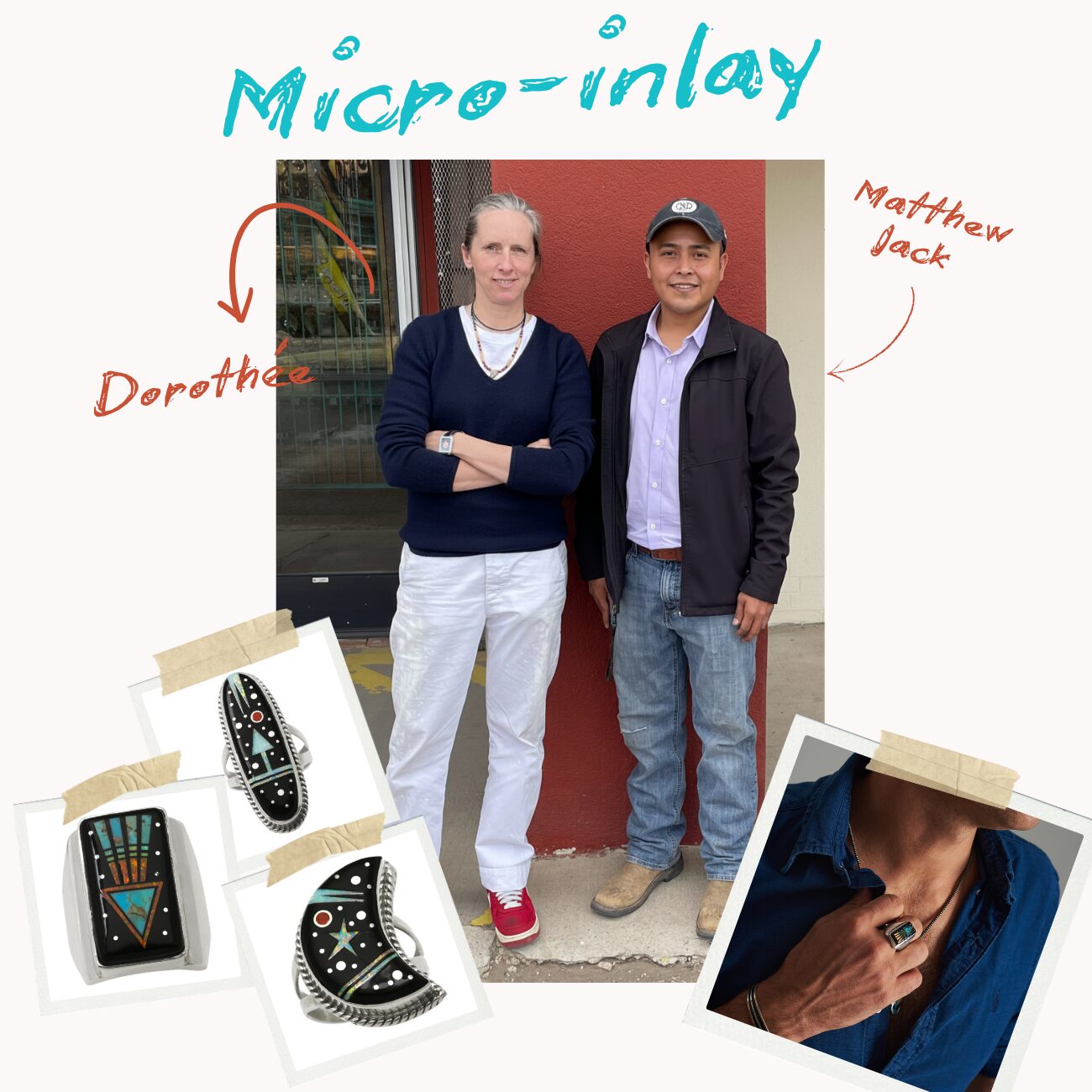
その中でも、私は昔から特にインレイ(象嵌)技法を用いた作品に強く惹かれてきました。その精密な仕事ぶりにはいつも驚かされますし、「自分には絶対につくれない」と思うからこそ、職人たちの才能と技術に深い敬意を抱いています。
また、ときには説明など必要としない作品もあります。ただそこに存在するだけで圧倒的な力を放ち、完璧なバランスと美しさを備えた作品です。
理屈ではなく、ただ純粋に心を動かされる。
そんな力を持ったジュエリーが、私は大好きなのです。
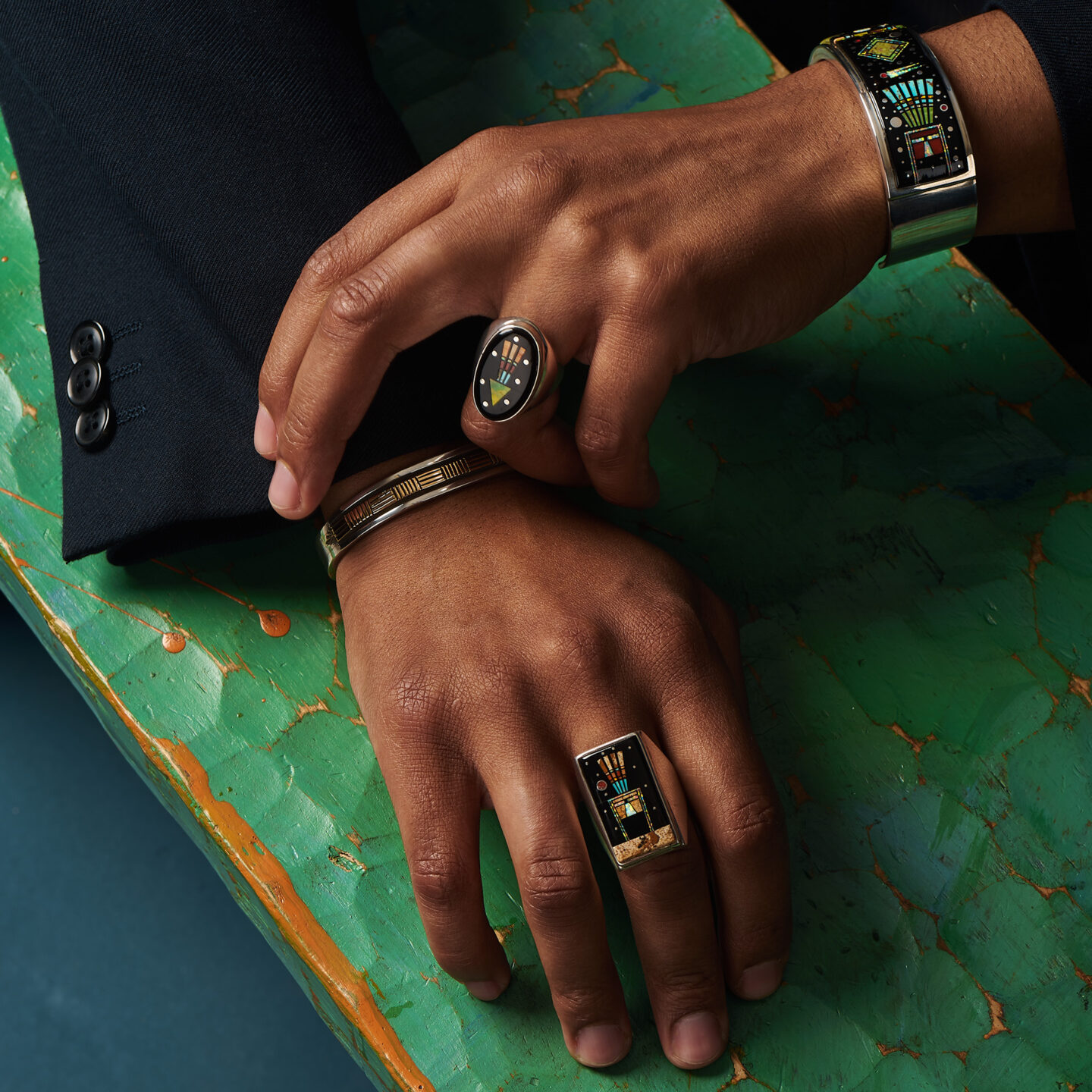
これからも、できる限り長く、変わらない情熱を持って、自分たちにできる最高の仕事を続けていきたいと思っています。
To continue giving the very best of ourselves, with the same passion, for as long as possible.
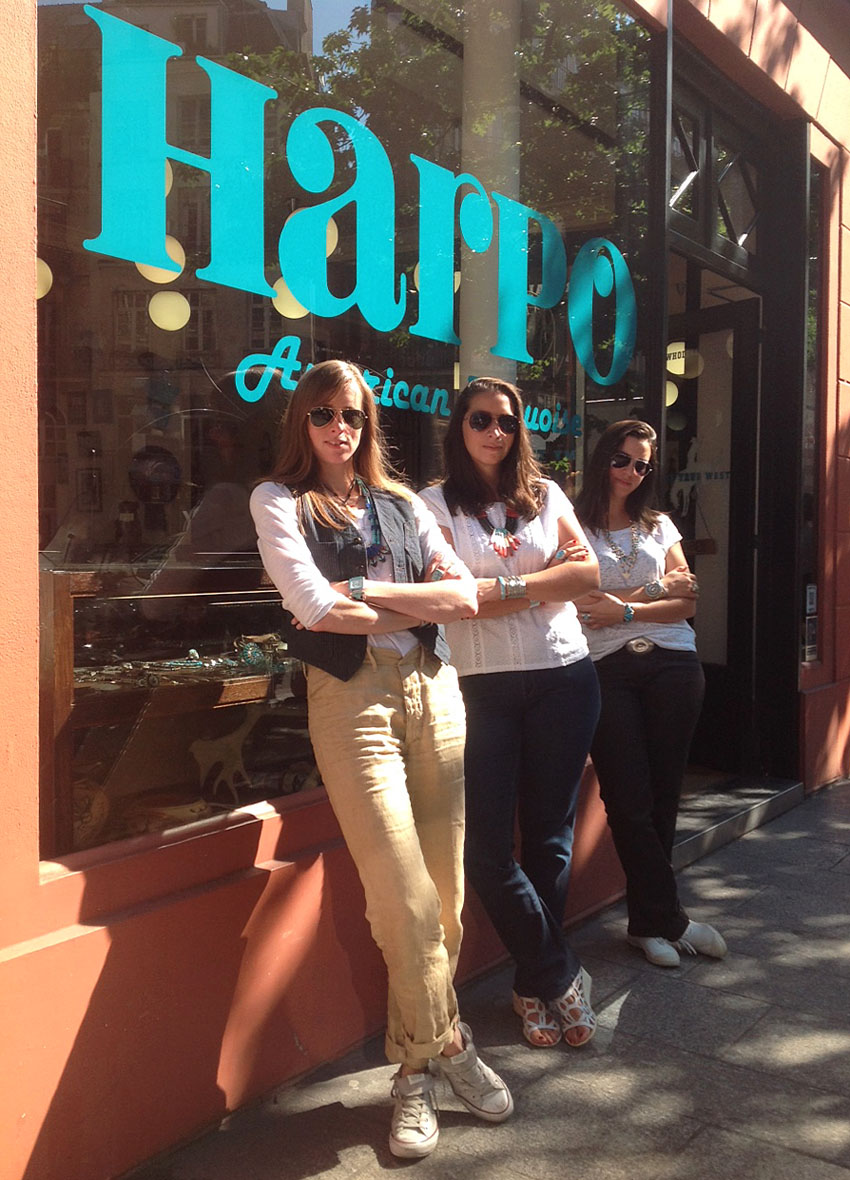
はい、もちろんあります。
その原点をたどると、やはり子ども時代に見たマカロニ・ウェスタンに行き着きます。
特に、Sergio Leone の作品や、家族みんなのお気に入りだった『My Name Is Nobody』は今でも特別な存在です。
壮大な風景、美しい映像や衣装、そして Ennio Morricone の音楽。そのすべてに魅了されました。
私にとって、それこそが愛してやまないアメリカの姿です。自由を求めて切り拓かれた、荒々しくも雄大な大地。その世界に今でも強く惹かれています。
また、この仕事を通して、ネイティブアメリカンの文化や歴史、伝統的な技術についても多くを学びました。知れば知るほど、作品に込められた意味や背景の奥深さに魅了されています。
そして、本という意味では、この国の本質や魅力を最も見事に描いている作家は Jim Harrison だと思います。
彼の作品には、私が愛するアメリカの風景や精神が息づいているように感じるのです。
Yes, absolutely.
If I trace it back to the beginning, it all starts with the Spaghetti Westerns I watched as a child.
The films of Sergio Leone, and especially My Name Is Nobody—a favorite in our family—still hold a special place in my heart today.
I was captivated by everything about them: the vast landscapes, the beautiful cinematography and costumes, and of course the unforgettable music of Ennio Morricone.
For me, those films embodied the America I have always loved—an untamed and majestic land shaped by the pursuit of freedom. It is a world that continues to inspire and fascinate me.
Through my work, I have also learned a great deal about Native American cultures, histories, and traditional craftsmanship. The more I discover, the more I am fascinated by the depth of meaning and heritage behind each piece.
As for books, I believe that Jim Harrison is one of the writers who most beautifully captures the essence and spirit of America. In his work, I find the landscapes, values, and sense of freedom that I have always admired.
His writing reflects the America that continues to inspire me today.
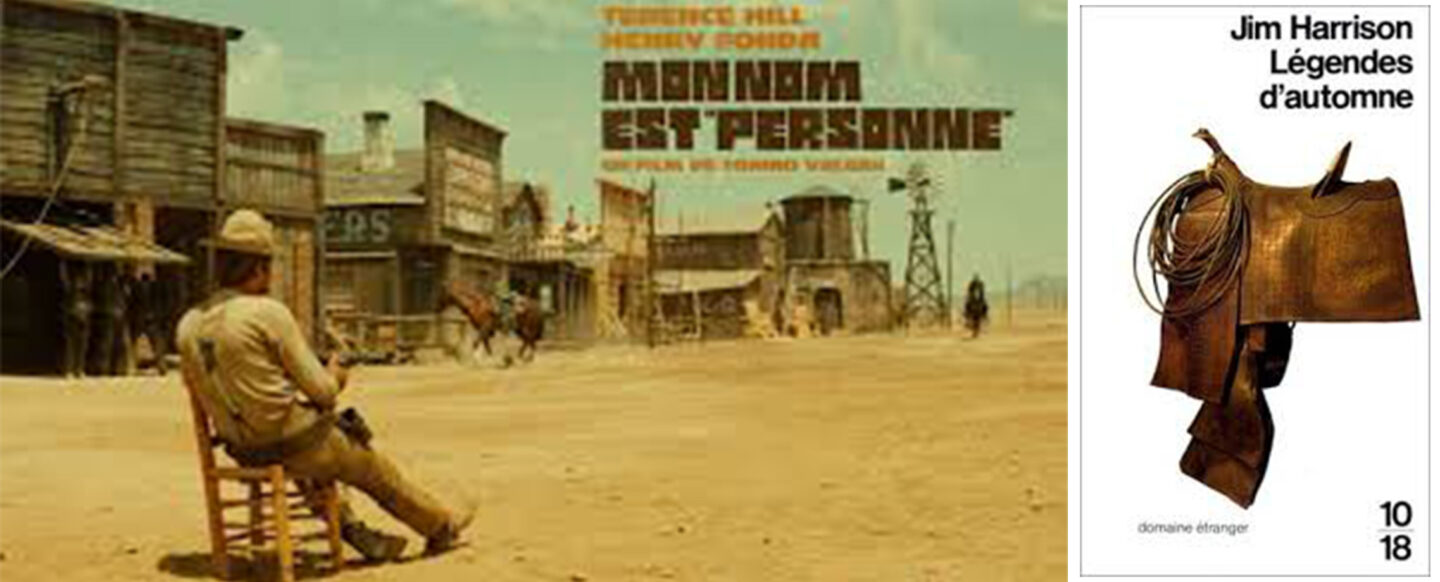
実は、私自身はそれほど多くのジュエリーを持っていません。
(私たちにとって本当の宝物は、HARPOという大きな“宝石箱”そのものですから。)
それでも、特別に大切にしている作品が3つあります。
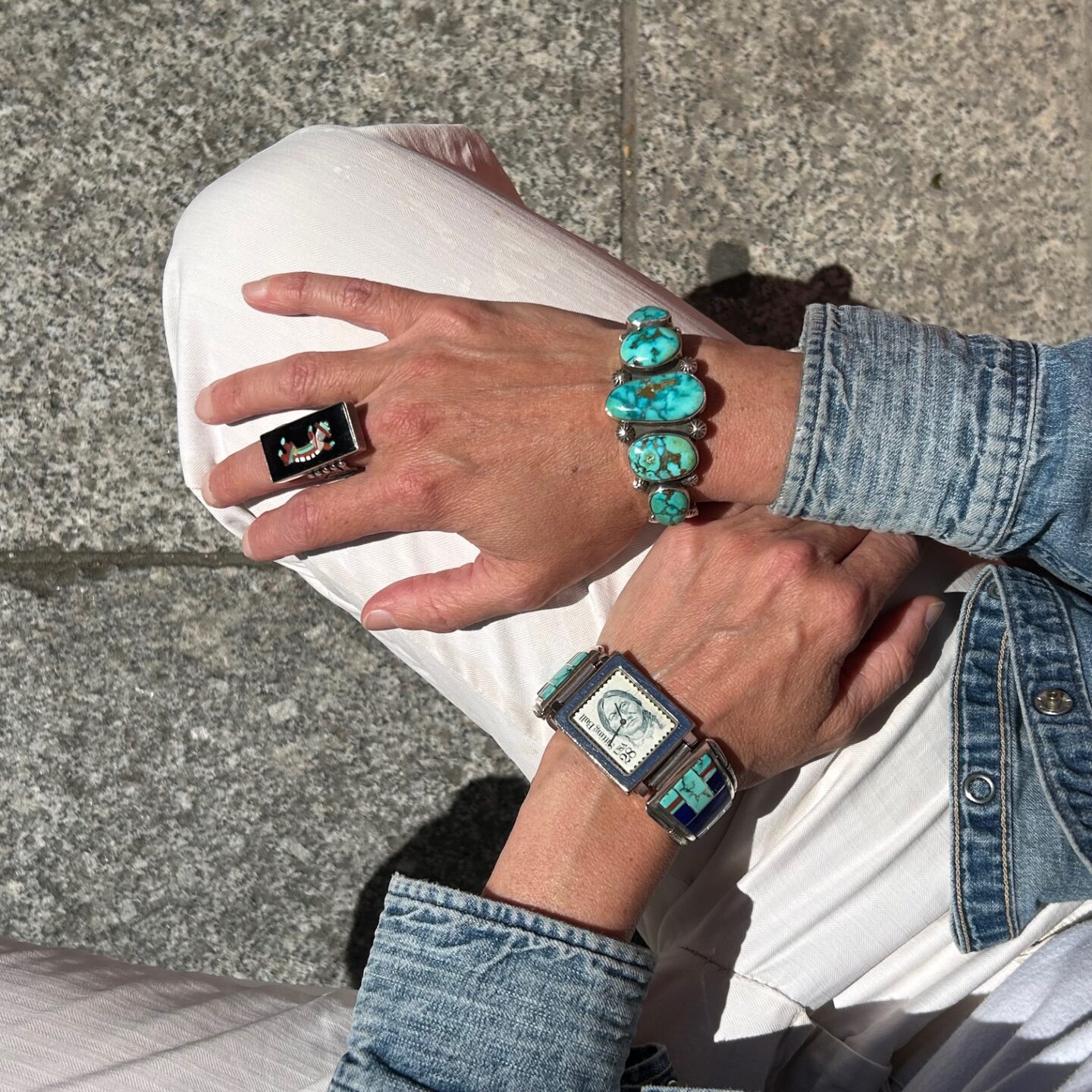
ひとつ目は、ラピスラズリとターコイズのインレイで「H」を表現した腕時計です。初めてアメリカ西部を旅した頃に出会ったもので、今でも愛用しています。文字盤には、父が約40年前に制作した、ネイティブアメリカンの偉大な指導者シッティング・ブルが描かれたコレクターズ切手が組み込まれています。
ふたつ目は、5つの美しいパイロット・マウンテンターコイズをあしらったナバホ族のブレスレットです。本来はスイス人のお客様のために用意したものでしたが、ご縁がなく、試しに私が身につけたところ、それ以来手放せなくなりました。
そして3つ目は、ズニ族による「レインボー・ダンサー」のカチーナリングです。ある日ショーケースの中で、このリングだけが強く私の目を引きました。サイズは合いませんでしたが、どうしても欲しくなり、自分なりに工夫して身につけています。今でも大切な宝物であり、決して手放すことはないでしょう。
どの作品にも、それぞれの物語と出会いがあります。だからこそ私にとってジュエリーは、単なる装飾品ではなく、人生の記憶を宿した特別な存在なのです。
In truth, I do not own a large collection of jewelry.
(For us, the real treasure is HARPO itself—a large jewelry box filled with stories, memories, and remarkable creations.)
That said, there are three pieces that are especially precious to me.
The first is a watch featuring an inlaid “H” made of lapis lazuli and turquoise. I discovered it during my first travels through the American West, and I still wear it today. The dial incorporates a collector’s stamp depicting the great Native American leader Sitting Bull, which my father integrated into the piece nearly forty years ago.
The second is a Navajo bracelet set with five beautiful Pilot Mountain turquoise stones. It was originally intended for a Swiss customer, but the sale never happened. I tried it on one day, and from that moment on, I simply could not part with it.
The third is a Zuni “Rainbow Dancer” Kachina ring. One day, among many pieces displayed in a showcase, this ring immediately caught my eye. The size was not quite right, but I wanted it so badly that I found my own way to make it wearable. To this day, it remains one of my most treasured possessions, and I know I will never let it go.
Every piece carries its own story and its own moment of discovery. That is why, for me, jewelry is far more than an ornament—it is a keeper of memories, a reminder of journeys taken, and a witness to the encounters that shape a life.
本当にたくさん旅をしてきたので、一つに絞るのは難しいですね。
アメリカ各地を巡ったロードトリップで訪れたゴーストタウンや小さな村々は、今でも特別な思い出です。私はできるだけ高速道路を避け、小さな道を選んで旅をします。その方が景色も美しく、素朴で飾らない“本当のアメリカ”に出会えるからです。
また、アジアも数多く旅してきました。多くはバイクでの旅です。バイクは人との距離を縮めてくれますし、舗装されていない道にも入っていけます。そのおかげで、ラオスの奥地やベトナム北部の山岳地帯、まだ観光地化される前のカンボジアなどで、多くの人々と出会うことができました。
そうした旅は単なる観光ではなく、人生を変えるような経験でした。私に謙虚さを教えてくれた人々との出会い、美しくも危険な道の数々を通して、人間の小ささと自然の偉大さを実感しました。
南米では、特にペルーが強く印象に残っています。私を魅了したのはインカ文明の壮大な歴史です。北米のネイティブアメリカン文化との共通点を感じながらも、独自の発展を遂げた力強い文明でした。アンデスに栄えた豊かな世界、そして何よりマチュピチュは本当に信じられないほど素晴らしい場所でした。
振り返ると、私の記憶に残っているのは風景だけではありません。その土地に生きる人々との出会い、暮らしや価値観に触れた時間こそが、何より大切な旅の宝物だと思っています。
正直なところ、私はまだ日本をそれほど深く知っているわけではありません。これまで訪れたのは2回だけで、どちらも東京でした。
最初は純粋な好奇心から、同僚のフレッドと数日間滞在しました。二度目は、招待されたトランクショーに参加するためです。その際に箱根にも足を延ばし、富士山を見に行きました。実際には雲の切れ間からほんの数秒姿を見せてくれただけでしたが、とても嬉しかったことを覚えています。
いつかまた日本を訪れたいと思っています。次は仕事ではなく、もっと時間をかけて地方や田舎を旅してみたいですね。
私は日本人の精神性にとても魅力を感じています。実は昔から侍にも少し憧れがあって(笑)。規律や精神力、誇りを大切にする姿勢には深く感心させられます。ある意味では、ネイティブアメリカンの人々にも通じるものがあるように感じています。
もちろん、もし私が切腹をしなければならない立場だったら、その覚悟は持てないと思いますが(笑)。
それでも、日本人の強さや正確さ、そして細部まで徹底的にこだわる姿勢には心から敬意を抱いています。何かを作るときも仕事をするときも、その集中力と真摯さは本当に素晴らしいものだと思います。それこそが、日本の大きな魅力のひとつだと感じています。
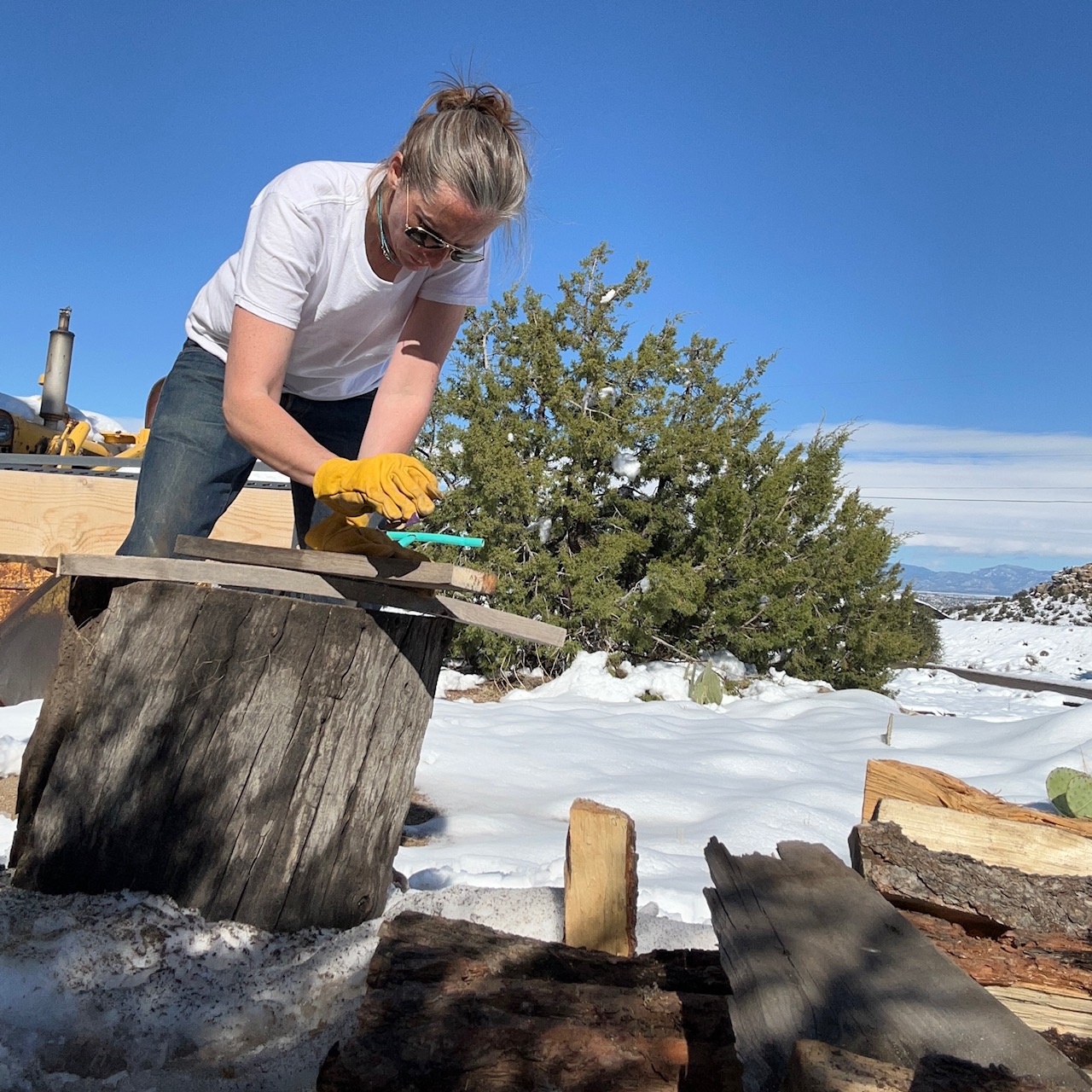
休日は、できるだけ街の喧騒や人混みから離れて過ごしています。
ときにはパリ郊外の小さな小屋で、薪をくべて火を起こしたり、何かを修理したりと、手を動かしながら静かな時間を楽しみます。そんなシンプルなひとときが、私にとってはとても大切です。
また、旅も大好きなので、新しい場所へ出かけることも最高のリフレッシュ方法のひとつです。知らない土地を歩き、新しい景色や人々と出会うことで、いつも新しい刺激をもらっています。
時間があれば絵を描くこともありますが、正直なところ昼寝も大好きなので(笑)、ついそちらを優先してしまうこともあります。
そして何より大切なのは、家族や友人と過ごす時間です。
自然の中で静かに過ごすこと、旅をすること、絵を描くこと、そして大切な人たちと語り合うこと。そんな何気ない時間が、私に新しいエネルギーを与えてくれるのです。
Whenever possible, I like to spend my free time away from the noise and crowds of the city.
Sometimes I retreat to a small cabin in the countryside outside Paris, where I enjoy simple activities such as lighting a fire, chopping wood, or repairing things with my hands. Those quiet moments are incredibly important to me.
I also love to travel, so discovering new places is one of the best ways for me to recharge. Walking through unfamiliar landscapes and meeting new people always brings fresh inspiration and a new perspective.
When I have the time, I enjoy drawing as well. Although, to be completely honest, I am also very fond of afternoon naps (laughs), so they often win the competition.
Above all, however, I value spending time with my family and friends.
Being surrounded by nature, traveling, drawing, and sharing meaningful conversations with the people I care about—these simple pleasures are what give me new energy and keep me inspired.
They remind me that some of the most valuable moments in life are often the simplest ones.
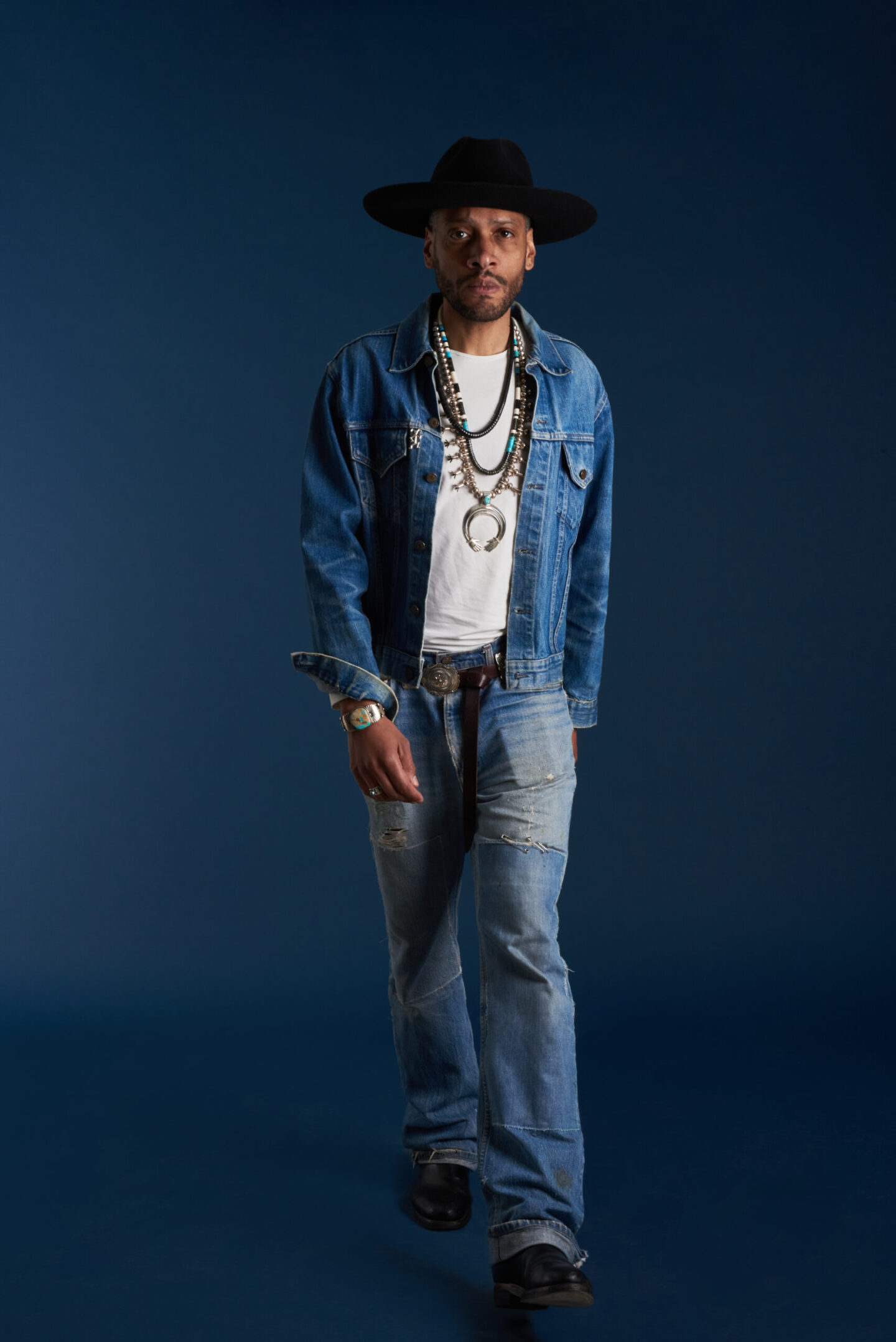
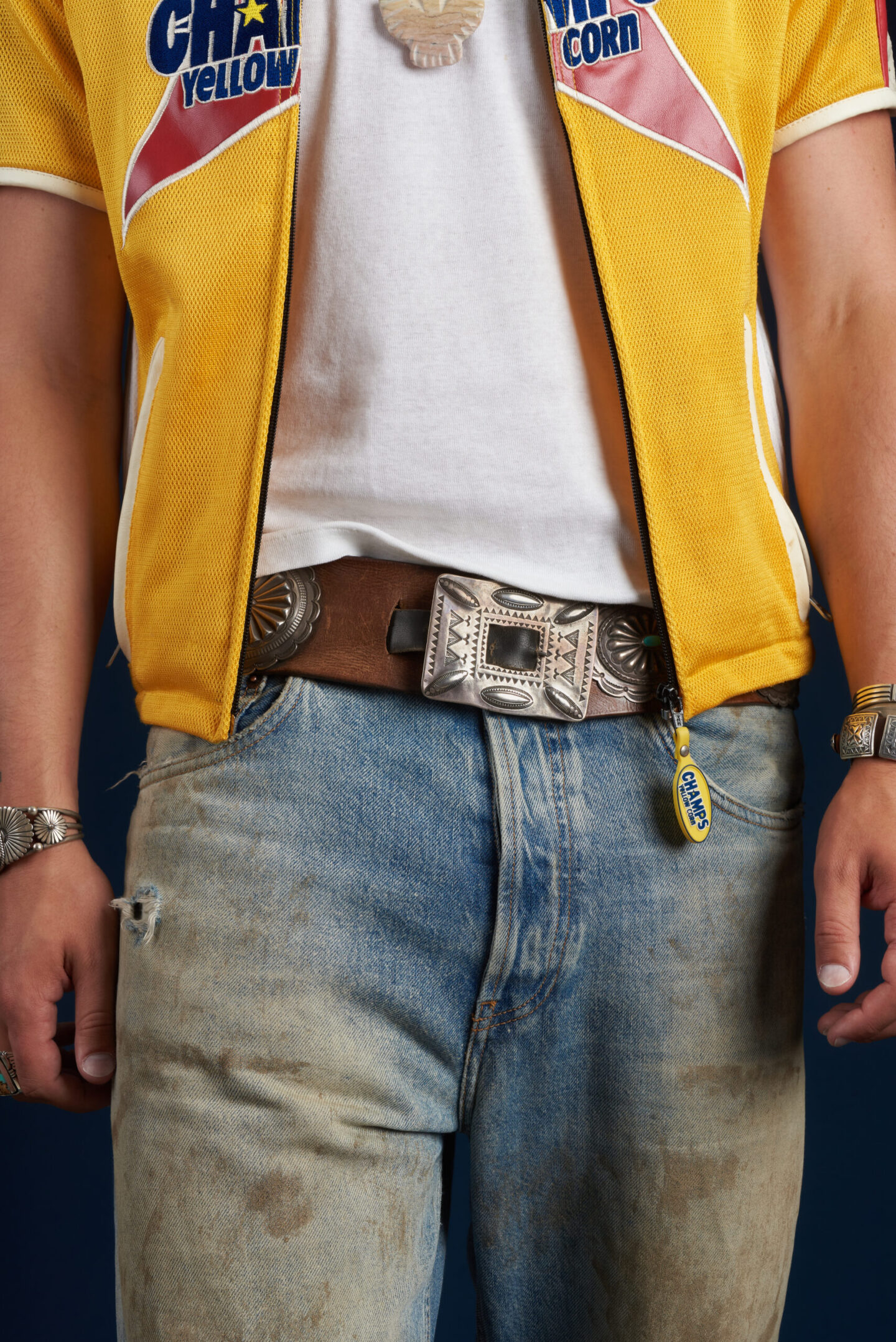
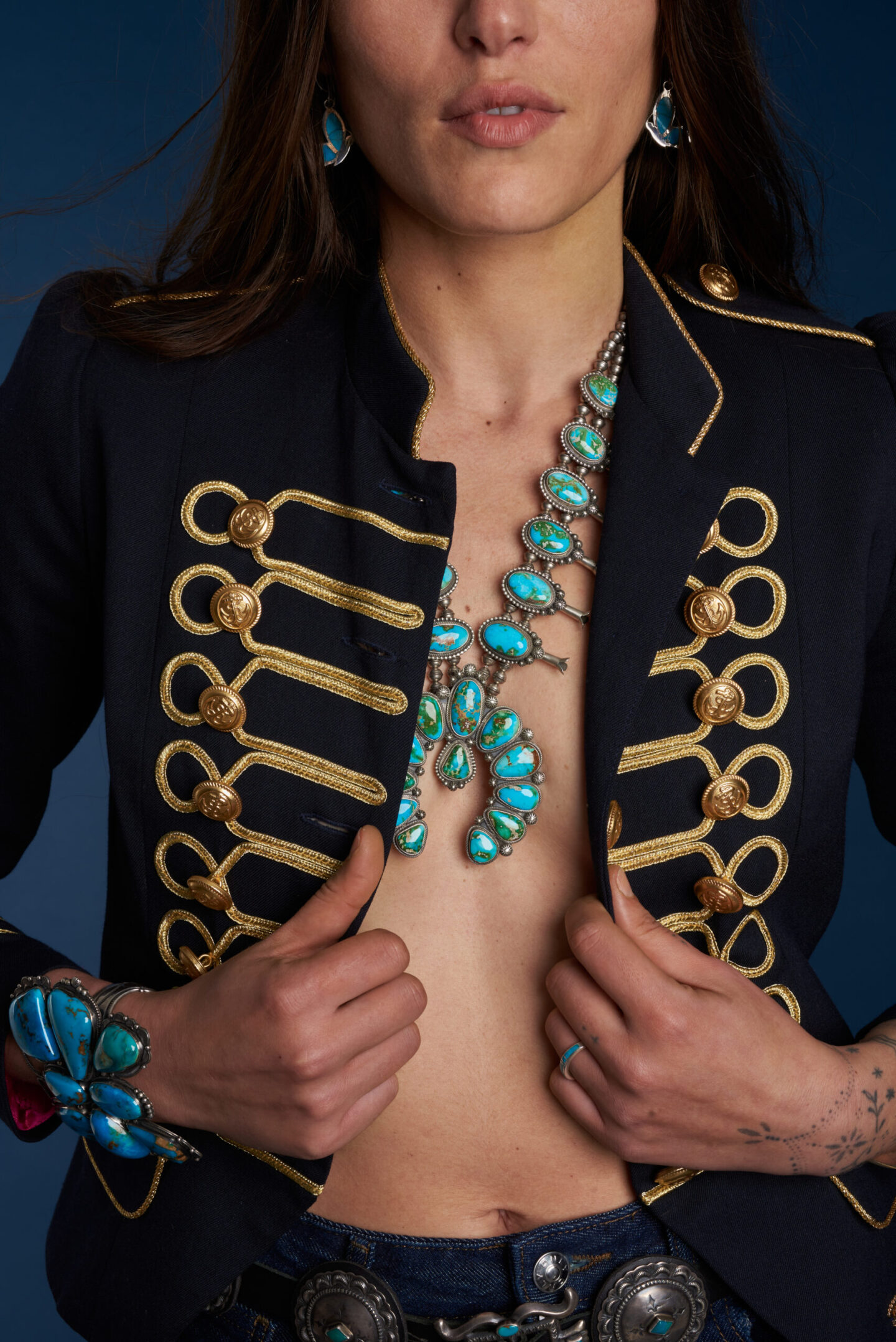
その通りです。ジュエリーは、身につける人によってまったく異なる表情を見せます。
同じ作品でも、どんな服装に合わせるのか、どのようなアクセサリーと組み合わせるのかによって印象は大きく変わります。主役として際立たせることもできますし、コーディネートに自然に溶け込ませることもできます。
そして、私たちが扱うネイティブアメリカンジュエリーの魅力は、その自由度の高さにあります。カジュアルからエレガント、ロックやボヘミアンスタイルまで、さまざまな装いと自然に調和します。
だからこそ、お客様も実に多様です。年齢や職業、ライフスタイルの異なる方々が、それぞれの感性で同じジュエリーを楽しんでいます。
私にとってジュエリーは、完成されたものではなく、身につける人によって初めて完成するものです。同じ作品でも、誰かが身につけた瞬間に新しい個性や魅力が生まれる。その変化こそが、ジュエリーの最も面白いところだと思っています。
Absolutely. Jewelry can take on a completely different character depending on the person who wears it.
The very same piece can create a different impression depending on how it is styled, what it is paired with, and the personality of the wearer. It can become the focal point of an outfit or blend seamlessly into a more understated look.
One of the things I love most about Native American jewelry is its versatility. It can be worn with casual clothing, elegant attire, rock-inspired fashion, or a bohemian style. It adapts naturally to many different forms of self-expression.
That is why our customers are so diverse. People of all ages, professions, and lifestyles are drawn to the same pieces, yet each of them wears them in a completely unique way.
For me, a piece of jewelry is never truly finished when it leaves the artisan’s hands. It becomes complete only when someone wears it and makes it their own.
The moment a piece finds its wearer, it acquires a new personality, a new story, and a new meaning. That transformation is what I find most fascinating about jewelry. It is not simply an object—it is a dialogue between the maker, the wearer, and the life that unfolds around it.
ジュエリーは、私の人生のとても大きな一部です。
これまで世界中で数え切れないほど多くのジュエリーを見てきました。それぞれに異なる文化や歴史、職人技があり、そのすべてが私に多くのことを教えてくれました。
しかし、私にとってジュエリーは単なる装飾品ではありません。むしろ、自分自身の小さな延長のような存在です。
私たちはデザインや石の美しさに惹かれることもあれば、出会った瞬間の感覚に心を動かされることもあります。そして、そのジュエリーが持つ意味は人それぞれです。お守りのように力を与えてくれるものもあれば、大切な思い出や感情を呼び起こしてくれるものもあります。
大切なのは、身につけたときに何を感じるかだと思います。ジュエリーは心地よく、自分の一部のように自然に寄り添う存在であるべきです。
実際、お客様の中には「ジュエリーを身につけていないと裸のような気分になる」とおっしゃる方もいます。その気持ちは私にもよく分かります。私自身、いつも身につけている腕時計を忘れると、何か大切なものが欠けているように感じるのです。
だからこそ私は、ジュエリーとは単なる“物”ではなく、その人の個性や感情、記憶の一部を映し出す、とても特別な存在だと思っています。
Jewelry has been a very important part of my life.
Over the years, I have seen countless pieces from all over the world. Each one reflects a unique culture, history, and craftsmanship, and every encounter has taught me something new.
But for me, jewelry is far more than an ornament. In many ways, it feels like an extension of oneself.
Sometimes we are drawn to a piece because of its design or the beauty of its stones. Other times, it is something less tangible—a feeling, an instant connection the moment we see it. The meaning of a piece is deeply personal. For some, it may serve as a talisman that brings confidence and strength. For others, it may carry memories, emotions, or remind them of a special moment in their lives.
What matters most is how it makes you feel when you wear it. Jewelry should feel comfortable, natural, and somehow become a part of who you are.
In fact, some of our customers tell us that they feel almost naked without their jewelry. I understand that feeling very well. If I forget the watch I wear every day, I immediately feel as though something important is missing.
That is why I believe jewelry is not simply an object. It is a reflection of personality, emotion, and memory—a deeply personal companion that becomes part of the story of the person who wears it.
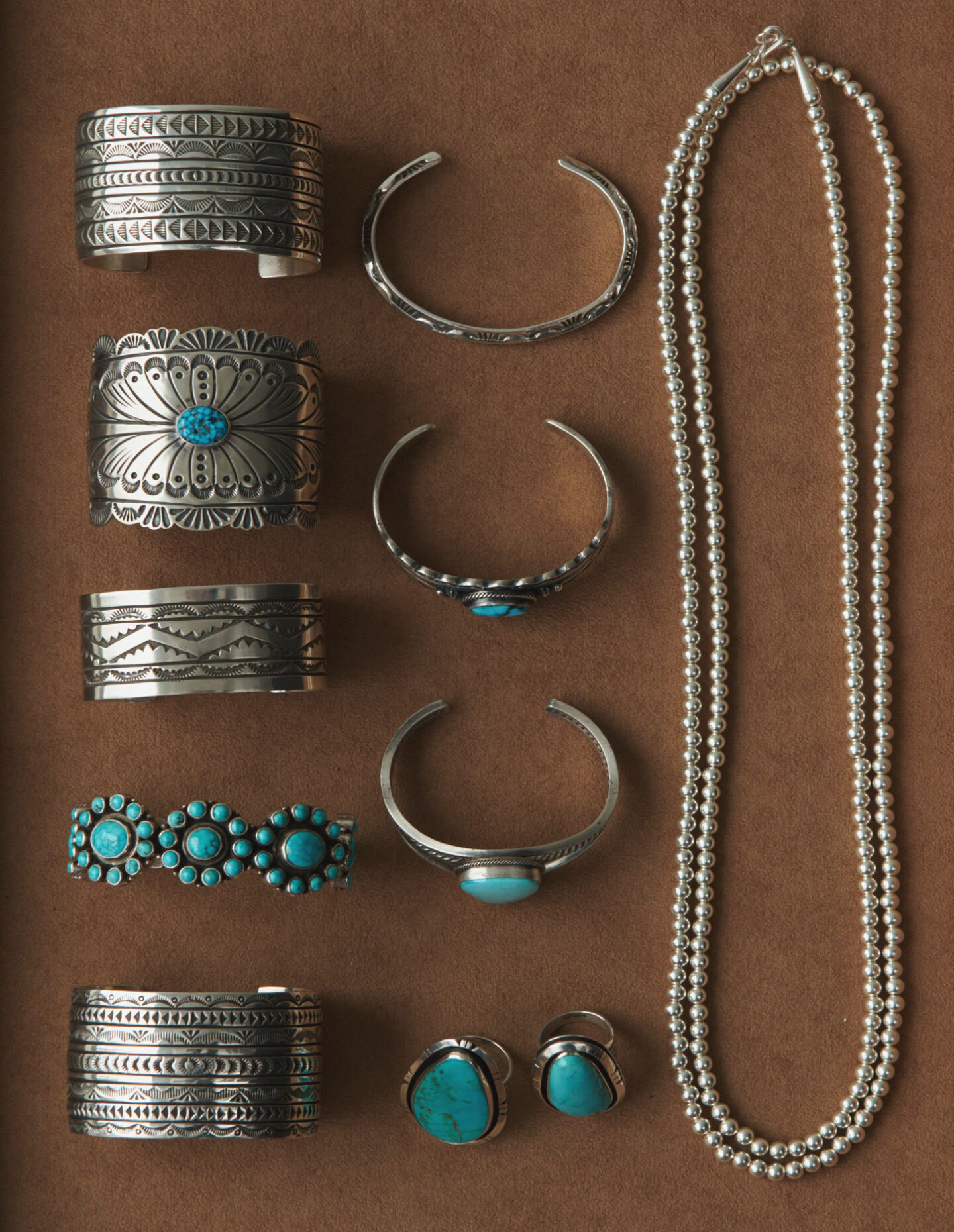
<HARPO>
BANGLE ¥20,900 ~ ¥286,000
RING ¥85,800~ ¥143,000
NECKLACE ¥154,000~¥297,000
HARPOは1971年にパリで創業したネイティブアメリカンジュエリーのブランド。アメリカ南西部の先住民アーティストたちとの長年にわたる信頼関係を礎に、本物のターコイズジュエリーと伝統工芸の魅力を50年以上にわたり世界へ届け続けている。
<HARPO>
BANGLE ¥20,900 ~ ¥286,000
RING ¥85,800~ ¥143,000
NECKLACE ¥154,000~¥297,000
HARPO is a Native American jewelry company founded in Paris in 1971. Built on more than five decades of trusted relationships with Native American artists and artisans from the American Southwest, HARPO has dedicated itself to sharing the beauty of authentic turquoise jewelry and traditional craftsmanship with the world.
For over 50 years, the company has worked closely with generations of Navajo, Hopi, Zuni, and Pueblo silversmiths, celebrating their artistry while helping preserve and promote the rich cultural heritage behind each piece. Today, HARPO remains a destination for those seeking not only exceptional jewelry, but also the stories, traditions, and spirit that make every creation unique.